














Spain is the most popular holiday destination for British tourists, with 31% of brits opting for a Spanish holiday. With so many of us travelling to Spain, and with one of the most delicious and influential cuisines in the world, it is important to think about what you’re eating and drinking on your holiday to Spain. Spain has a lot of incredible food, from the classic paella, filled with locally caught fish and crafted from centuries worth of skill, or the delectable tortilla, which has grown up to be one of the most popular foods in the world. With so much to choose from, we want to help give you the perfect guide to food and drinks in Spain, so read along as we break it down for you.
What to eat in Spain
What to eat in Spain very much depends on where you are. For example if you’re in southern spain, like Andalusia we would recommend trying the classic Rabo de Toro, while if you’re up in Northern spain you might want to try the Bacalao a la Vizcaína if you’re in the Basque Country. We would always recommend seeking out the local speciality, as well as checking the season you’re in – what’s freshest is always the best! Let’s take a look at some of the essential foods you need to try when you visit Spain.
What is the National dish?
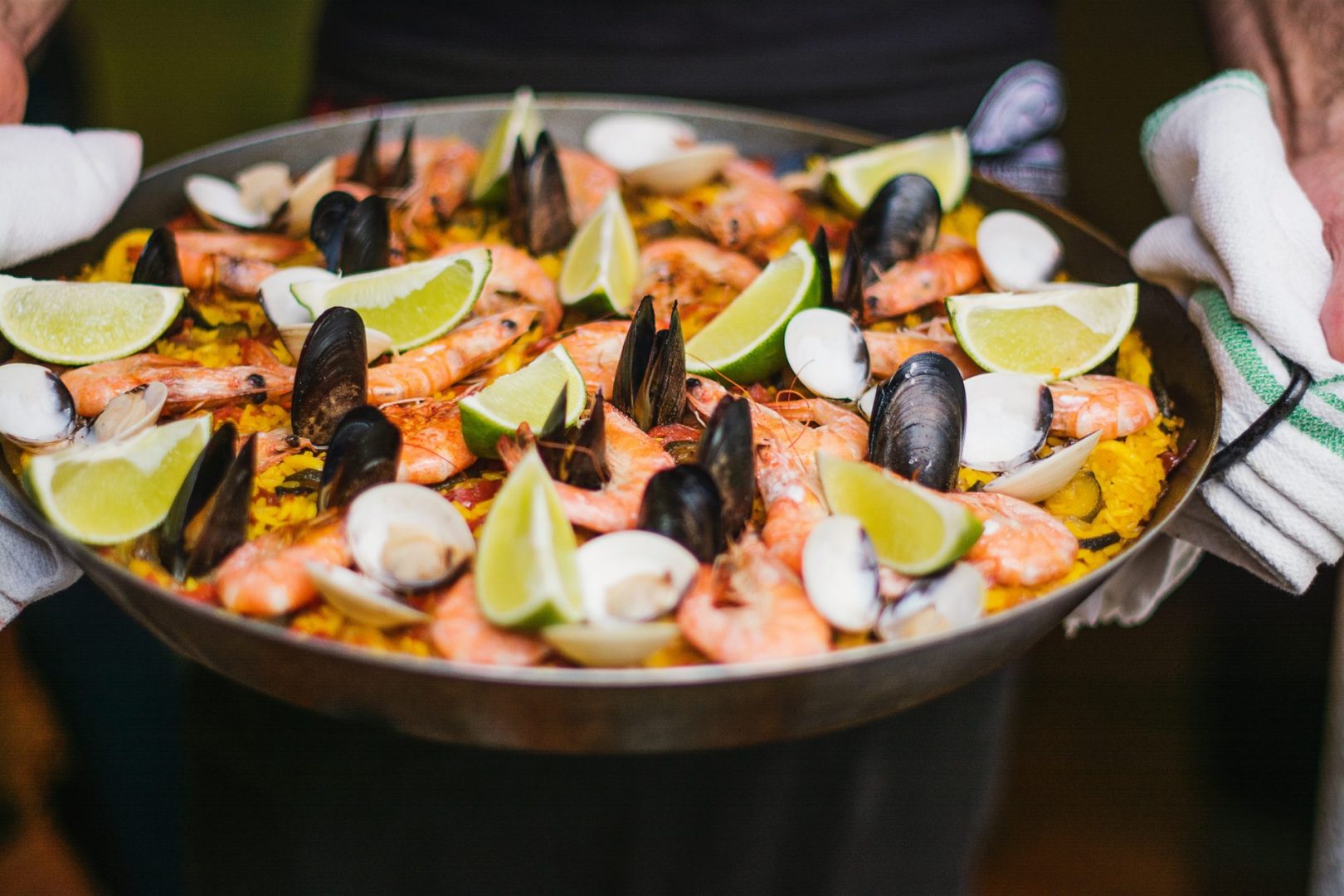
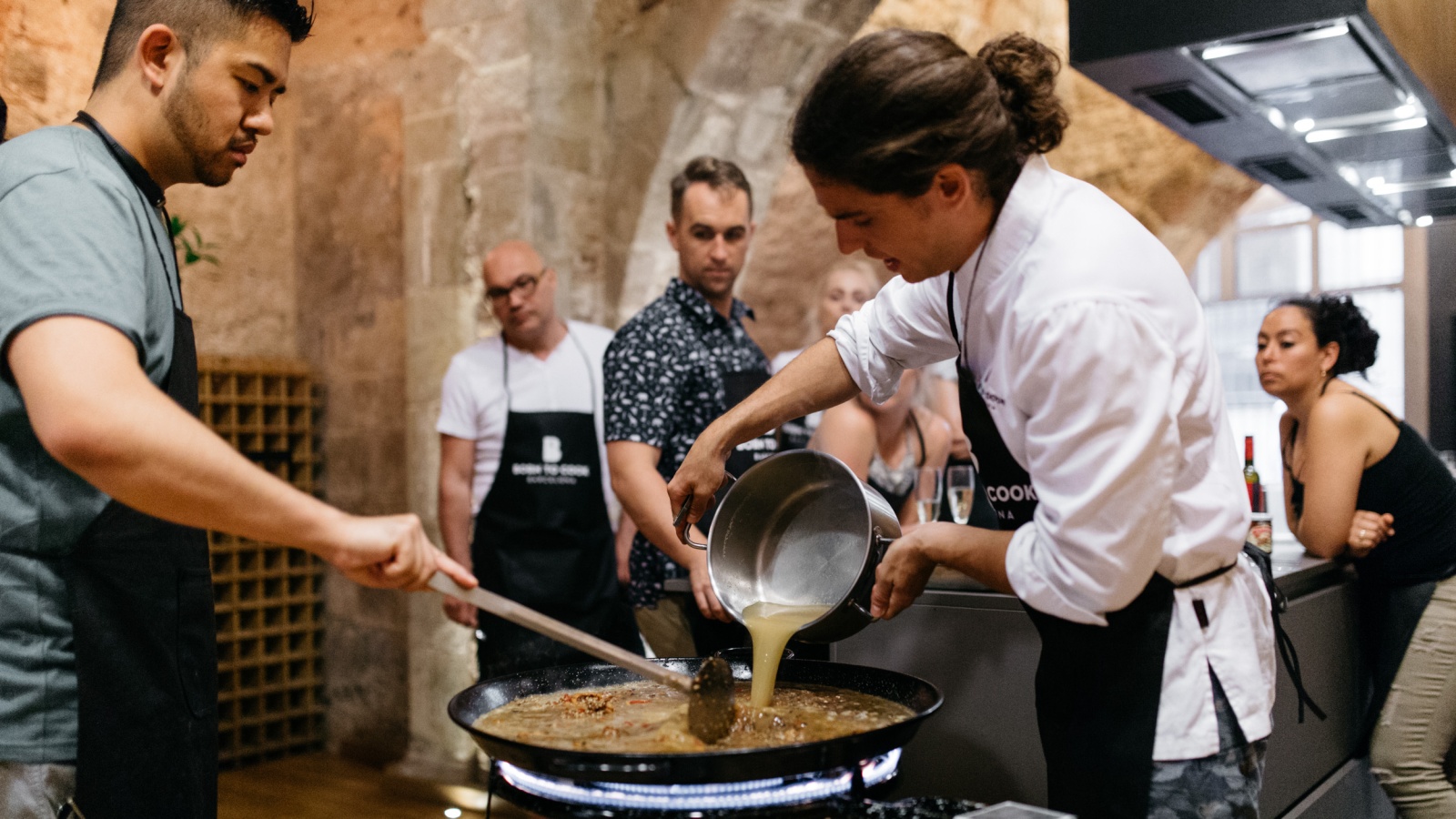
Of course, that national dish is always a winner for anywhere you visit in Spain, and that is the classic Paella and Tortilla. If you’re in Spain you’ll be hardpressed to find a place that doesn’t serve this, but to make sure you find the very best, opt for one made from local seafood and locally grown ingredients. Choosing locally sourced food isn’t just better for the taste – which of course it is – it is also better for the local community, supporting local farmers and fishermen is always the best thing to do when travelling!
What Cheese should I be trying in Spain?
There are so many amazing cheeses in Spain, just like their food, so it is important to know what you’re looking at before you visit – the worst thing is to turn up at a restaurant with a list full of cheeses you don’t recognise! So, here are a few types of cheeses and their taste profiles to help you know before you go.
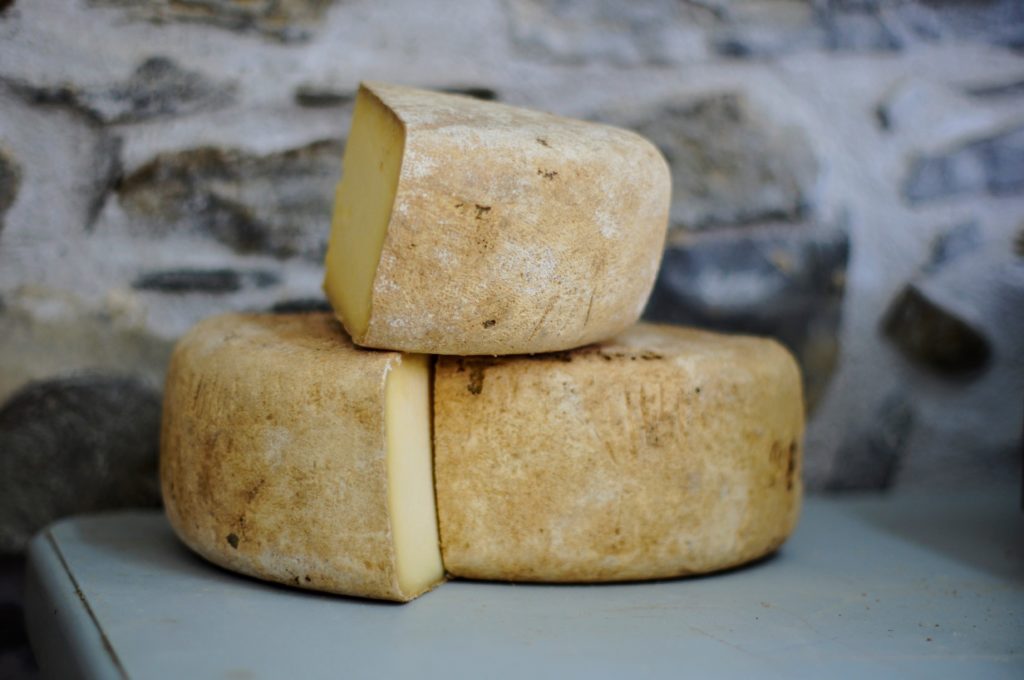
– Manchego – You know it. Ewe’s milk. Hard. Sweet. Nutty.
– Tetilla – From pastured cows. Salty and creamy.
– Torta de Casar – Intense and slightly bitter; smooth and melts in your mouth.
– Cabrales – Made of raw cow/goat/sheep’s milk, cured in caves, and outstandingly blue and full of flavour.
– Mahon – from cow’s milk, aged to different degrees of perfection with a bit of salt from the sea; can be used in sweet and savoury dishes, and there’s one for every palate.
Your guide to some hearty Spanish stews
Every country has its own rustic stews that have been around for centuries and are as essential as cerveza. Here are some you shouldn’t miss:
Rabo del Toro (Oxtail stew) – Although it goes back to Roman times, it was often made after the bullfights. Cooked slow until it melts in the mouth. This one is most common to southern Spain, especially in Córdoba and Andalusia.
Cocido Madrileno – There’s one essential ingredient to this dish and it’s chickpeas. That aside, it is packed full of flavours and things to get you through the winter; blood sausage, lard, bacon, chorizo, beef; along with winter root vegetables, all which make it the perfect family warming winter dish. Definitely not one for the veggies. This is a popular stew that you’d likely find in the capital city, Madrid!
Zarzuela de Mariscos – Just a rustic, gorgeous, fresh catch of the day shellfish stew. Using a tomato base with some peppers, they’ll also chuck in some chorizo, jamon, olive oil, saffron, garlic, paprika – it’s often referred to as the seafood opera! To find this your best bet would be Catalonia, which is where it originates from, especially in cities like Barcelona and Sitges – since they’re by the sea they have a great selection of sea food to pull from!
Finding your way around Seafood
Spain is famous for it’s seafood dishes, and so knowing what to go for can be tricky. So what should you eat? the answer – All of it! If you’re coastal, keep an eye out for a fantastic variety… octopus, squid, mussels, clams, oysters, crabs, crayfish, scallops – basically everything we can’t find in the UK and more, all fresh and fantastic (a major must if you find yourself in Galica).
Pulpo a la Gallega – Paprika and garlic octopus in olive oil
Gambas al Ajillo – Garlic shrimp, perhaps with a splash of sherry, lemon and parsley
Which meats are Spain known for?
Cochinillo asado – Crackling, suckling pig is a favourite the world over, but is something to behold in Spain.
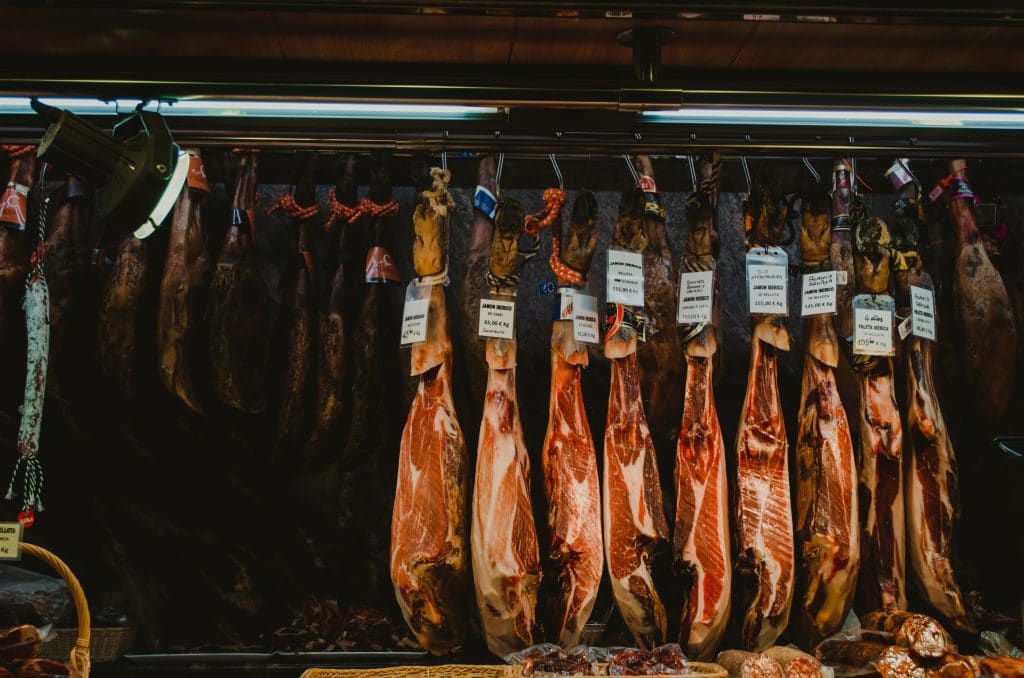
Jamon Iberico – Cured ham from a black Iberian pig. Of course you’ve heard of it – throw some in your check in bag with some cheese.
A few dessert dishes we think you should know
- Flan – The timeless classic. Smooth, creamy custard, with hints of caramelised sugar.
- Leche Frita – Translated ‘fried milk’ (custard) rolled in sugar and cinnamon, that oozes into your mouth.
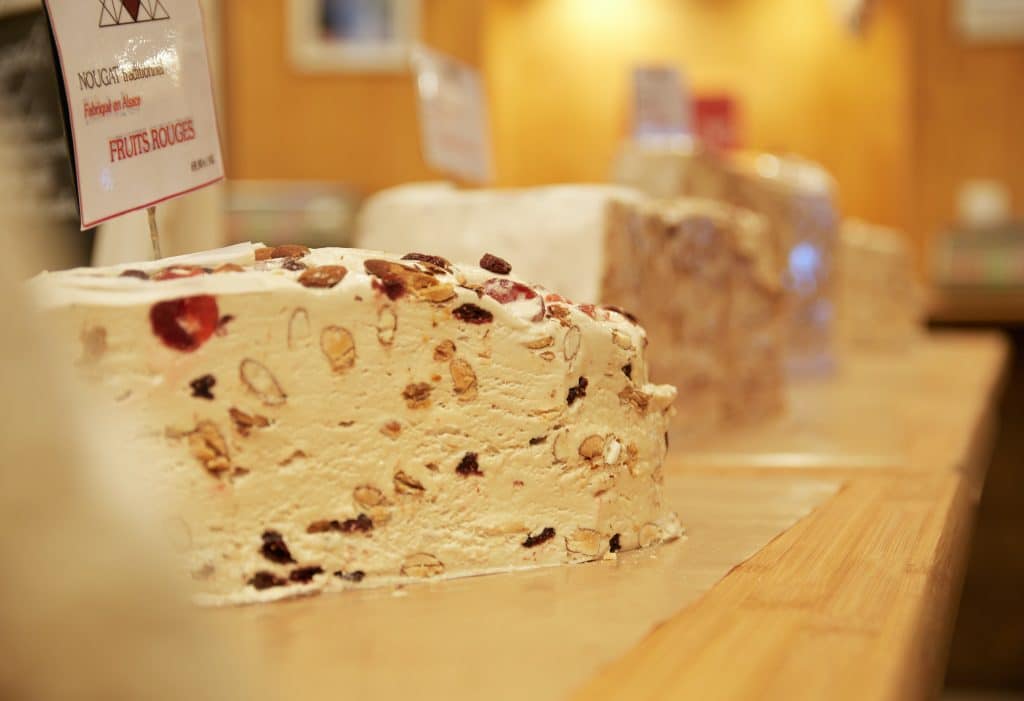
- Turron – Popular at Christmas, but can be found anytime, anywhere. Made with honey, eggs and sugar (like a nougat), but the star of the dessert is nuts. This has evolved into tons of choices, flavours and options.
- Tarta de Queso – Spanish cheesecake. Nothing like New York cheesecake.

A Creative Week in Spain
 7 Nights
 Spain
Spain
- Available during April, May, September, October and November
- Accommodation, meals and transport included
- Learn a different craft each day
Price from

Spanish & Kitesurf Holiday in Fuerteventura
7 Nights
Spain
Go learn how to kitesurf in the morning and learn to speak Spanish in the afternoon on this popular 7 night course for a..
Price from
What should you drink in Spain?
As well as food, Spaniards are pretty wise when it comes to making refreshing and delicious drinks, so we want to let you in on a few Spanish drinks that we think you should be trying:
Sidra (cider) – Traditionally poured at least a foot above the glass, it is tart, dry, and gaining popularity.
Horchata – Think rice pudding in a cup, milky, sweet, hints of cinnamon and vanilla, served cold on a hot day, or warmed up on a cold night.
Rioja (red wine) – When in doubt, order a glass of Rioja. First legally recognised by the King in 1102 and the grape dating back even further; they’re clearly doing something right.
Vino de Jerez (sherry) – As far back as the 12th Century, this Andalucian wine from Jerez (then the area of Sherish) was already beloved and exported over to England. Just don’t ask for Sherry – they may not know what you want.
A few tips from Spanish experts
As with any trip, we firmly believe in exploring places on your own terms and carving your own personal experiences. However, the Not in the Guidebooks personal culinary highlights in Spain were:
Lee says…
“If you find yourself in Madrid, pop into Panic for a fresh organic loaf, find a bottle of Rioja, some cheese and jamon, and find a quiet corner of a nearby park.”
Jennifer says…
“Pop in to the local tapas bar, order a drink and a pick and mix of food! Tapas is a great way to sample a lot of dishes at once. I recommend ‘huevos rotos’ and ‘pimientos de padron’.”
¡Buen provecho!
If this has got your taste buds going and an itch to explore the culinary wonders of Spain, why not take your next holiday in Spain to the next level on a cooking holiday?

 24/06/2025
  Features