





Morocco is one of the most popular tourism destinations in Africa, but its proximity to Europe often means tourists treat the local customs and traditions as European. But, as a Muslim-majority country in Africa, Moroccan culture is very different from nearby Gibraltar or Malaga. Morocco is one of the warmest (both in climate and culture) and most hospitable countries you can visit, so we want to make sure that you know how to return that respect by understanding a little more about Moroccan culture.
If you’ve travelled around the world a bit then you’re probably conscious of other cultures and aware of the easy steps you can take to show respect when travelling. At Not in the Guidebooks, as you can imagine, we’ve travelled quite a bit, even around Morocco specifically, so we’re happy to share with you what we know. There are few aspects of Moroccan culture that you should be aware of; firstly that the country is Muslim-majority, secondly the indigenous Amazigh (Berber) people and thirdly the local traditions that are unique to Moroccan ways of life. This article will go through various aspects of Moroccan culture and what you need to know to experience those cultures respectfully and thoughtfully.
Contents:
- Morocco’s Muslim-majority culture
- Understanding Amazigh (Berber) culture
- Navigating city life
- Travel advice for women
- Traveling during Ramadan
- Understanding tipping culture
- Our 9 ultimate responsible travel tips for Morocco
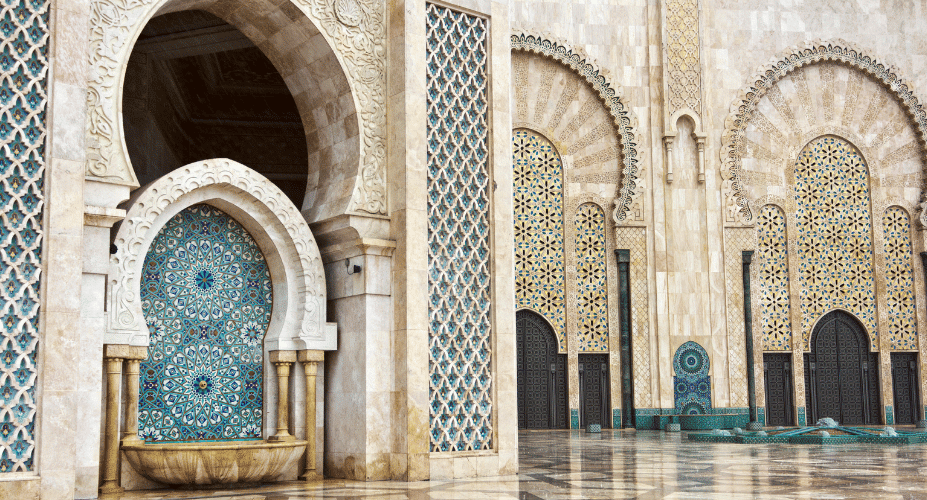
Hassan II Mosque in Casablanca, Morocco
Respecting Morocco’s Muslim-majority culture
Muslim culture in Morocco could be quite a culture shock if you’ve not prepared for it, even when you do prepare it’s an incredible experience nonetheless! But, there are a few things that you should know and prepare for before you travel.
Dress code – Knowing what to wear in Morocco is one of the most common questions we get by people travelling there, and we get why! But it is a lot simpler than people often let on. When exploring and travelling around of course you’ll want some light breathable clothes (linen is a good option), but if you want to go inside a mosque or any other religious or cultural space you’ll need to cover your legs and shoulders. That could just mean unwrapping your shawl and covering your body, or wearing a jacket over your dress or t-shirt. It’s not often the case that you’ll be asked to leave if you’ve not got something to cover up, but it is good to be respectful and you’ll receive that respect back.
Religious practices – One aspect of Moroccan Muslim culture that you might not think of is prayer times. In the UK we don’t really see this much, but in Morocco it is a huge part of day-to-day life. Knowing the prayer times in Morocco is a great start, and you’ll know when prayer time is happening as the call to prayer will be played through speakers across the cities and towns. It’s a beautiful sound and something we even miss when we get back home. During prayer time, which can last anywhere from 10 to 30 minutes (the praying itself usually lasts 5-10 mins), it is respectful to be a little quieter and give the locals space to pray if they need it. (Check the current prayer times here)
Public displays of affection and alcohol consumption – Knowing how to behave in Morocco is a concern that a lot of our travellers have but it is pretty easy to get right. When you’re walking down the street, you can observe the locals and see how they go about their day, which won’t really be any different to us! However, if you’re with your partner, it is a good idea to avoid public displays of affection, that might be kissing or holding hands (though holding hands between spouses is generally okay, especially in cities). Alcohol consumption is prohibited in Islamic teachings, so it is a good idea to avoid drinking excessively while in Morocco. You’ll be hard-pressed to find any alcohol outside of the cities and, in desert camps they don’t usually allow alcohol.
Friday as a holy day – Fridays in Morocco are a holy day for Muslim communities. This means that some shops and restaurants may open later and close earlier (though not usually in cities like Marrakech). A lot of businesses will close in the middle of the day for afternoon prayer as well.
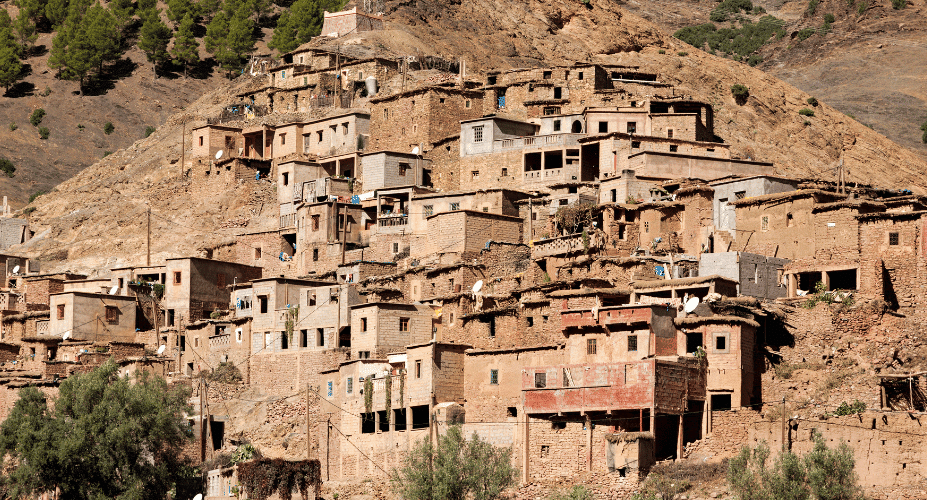
Amazigh Village in the Atlas Mountain Range
Understanding and Respecting Amazigh (Berber) culture
The Amazigh people are the indigenous people of Morocco, and are often referred to as Berber. Many Amazigh people prefer this term to Berber, though it is nuanced and many tribes have their own endonym (always best to ask politely). The Amazigh people have unique culture and customs that define their way of life, and some of those customs you should know about before you travel.
How is Amazigh culture different from Arab Moroccan traditions? – Amazigh culture is pre-Islamic, and though many Amazigh people are Muslim, there are a few differences that you should be aware of. Firstly, their language, many Amazigh people speak Tamazight languages, though they’re also often bilingual and can speak Arabic as well. Traditions, dress and music can also vary, even within Amazigh communities between the mountains, desert and coastal regions. Gender roles can also differ, with Amazigh women often taking much more visible roles within the community.
5 Tips for visiting Amazigh villages or markets
1. Always ask before photographing people or entering homes. An obvious one but it is good to remember that not everyone is comfortable having their picture taken.
2. Dress modestly, wear clothes that cover your knees and shoulders when visiting Amazigh villages.
3. Learn some basic phrases in Tamazight – Thank you in Tamazight = Ake issrebeh moulana. Hello in Tamazight = Manzakine, Salam or Azul
4. Accept drinks or food if offered. It is considered polite to accept offers of tea or food, even if you only have a little bit of it, it is a good idea to accept.
5. Leave no trace when you leave. Be sure to take everything with you when you leave the Amazigh village, leave it the same as when you found it.
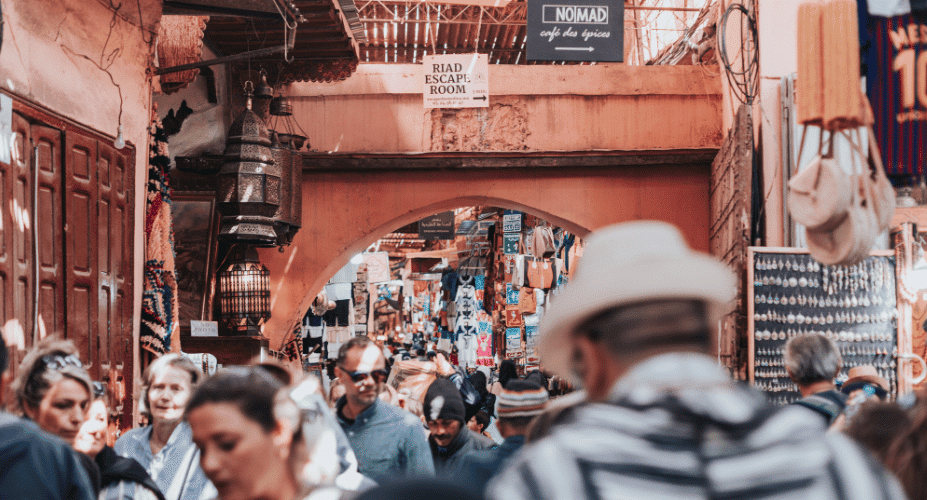
Medina in Marrakech, Morocco
Navigating city life with respect
As with any country, city life always differs from rural life, and especially in Morocco. Cities like Marrakech and Essaouira have markets, souks and other unique cultural aspects that require their own advice and tips.
Dealing with street vendors or unsolicited guides – In cities you’ll likely have people approach you to sell their products or offer their services. It is good to be prepared for this, especially in Marrakech, but that means knowing how to politely say no. Being rude to street vendors will only make your experience worse, so the best thing to do is politely say no and move on. On our trips you’ll have the option to be accompanied by our guide who can deal with these things on your behalf.
Knowing what’s a scam vs genuine hospitality – It can sometimes be hard to know if something is a scam or if someone is offering you something genuinely. But the best advice you can give for this is, are they offering it to locals and other people as well as you? If it’s a food stall offering samples, and they’re offering it to local people then it is likely genuine hospitality. If in doubt, our tour guides will be able to help you discern the difference. But, this is all part of the Marrakech experience!
How to behave in a souk – A souk is a traditional market in Morocco, and the customs here may differ from other markets you’ve visited. Haggling is a part of the culture here and expected, but be respectful, a smile goes a long way. Covering your shoulders and knees is also a good idea, being respectful in this way will help you get lower prices. Also, be mindful of your surroundings, keep your belongings close.
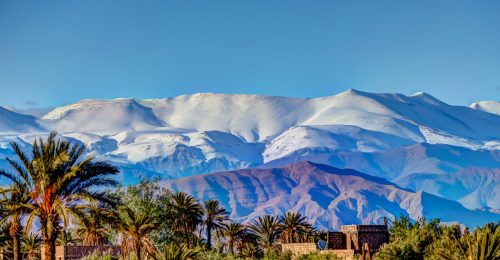
8 Day Ultimate Southern Moroccan Adventure
 7 Nights
 Morocco
- Accommodation and experienced driver/ guide
- Camel Ride in Desert and guided tour of Marrakech
- Visit Ait Ben Haddou, Ouarzazate, Marrakech and Erg Chebbi Desert
- Visit Atlas Mountains & Coastal Essaouira
Price from
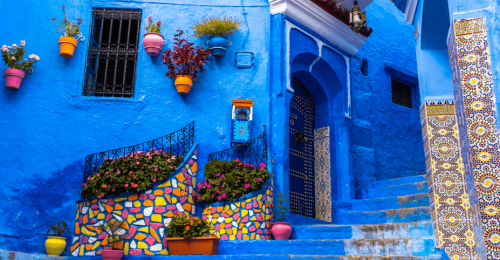
Northern Cities of Morocco in 10 days
9 Nights
Morocco
- Discover hidden gems with local guides
- Visit Tangier, Rabat, Casablanca, Meknes, Fes, Chefchaouen
- Includes accommodation and driver throughout
- Cooking classes, nature walks, cultural visits
Price from
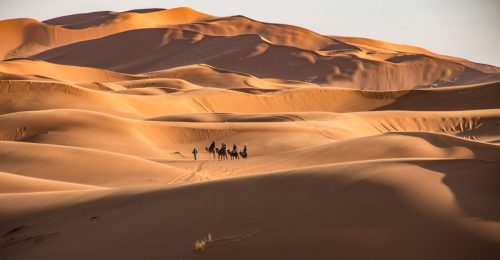
The Ultimate Cultural Morocco Tour
13 Nights
Morocco
- Explore the Blue City of Chefchaouen
- Experience a Desert Camel Trek
- Experience local life, culture and cuisine
- Discover the Ancient Medina of Fes
Price from
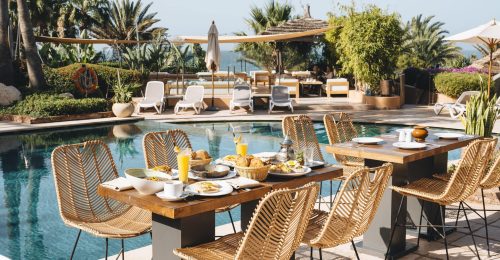
7 Night Beach Retreat at a Luxury Eco-Resort in Morocco
7 Nights
Morocco
- Suite accommodation
- Optional packages available for Surfing, Yoga & Spa
- 5* Beachside Eco Resort
- Airport Transfers included
Price from
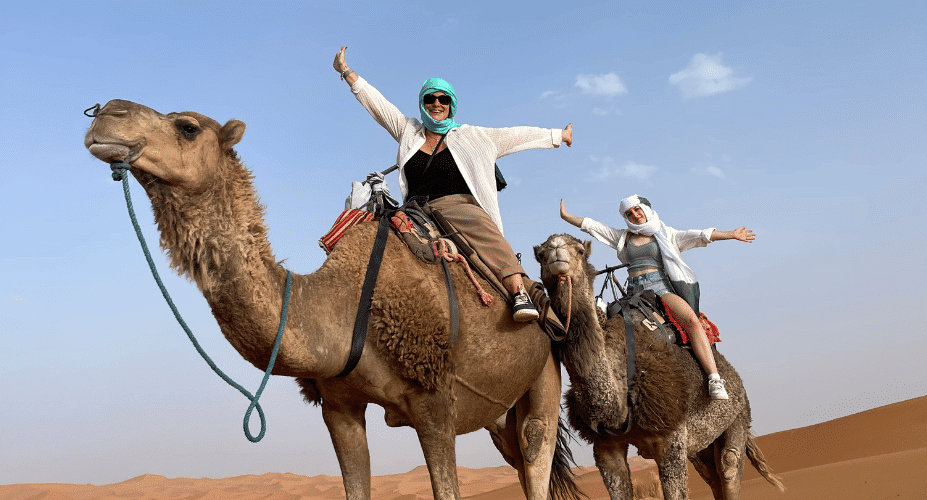
Woman riding a camel through the Sahara Desert, Morocco
Travel advice for women visiting Morocco
As a woman traveling to Morocco, there are a few additional considerations that might enhance your experience. Morocco is generally safe for women travelers, but being prepared will help you navigate cultural differences with confidence.
What to wear as a woman in Morocco – While the general dress code applies to everyone, women may want to pack a few additional items. Long, flowing dresses or skirts that cover your knees, loose trousers, and tops with elbow-length or longer sleeves are ideal. A lightweight scarf is essential – not just for covering shoulders when needed, but also as an impromptu head covering when visiting religious sites or more conservative areas. In major cities like Marrakech or Casablanca, you’ll see varied styles of dress, but in rural areas, more conservative attire is appreciated.
Solo travel considerations – If you’re traveling solo, you might receive more attention than when traveling in mixed groups. This usually comes from genuine curiosity or hospitality, but can sometimes feel overwhelming. A polite but firm “La shukran” (No thank you) works wonders. Consider booking accommodations in advance and arranging airport/station pickups to avoid navigating new surroundings alone, especially at night. On our guided tours, you’ll have the benefit of local knowledge and support throughout your journey.
Understanding local gender dynamics – In more traditional areas, you might notice gender separation in public spaces. Some cafés may be predominantly male spaces, especially in non-touristy areas. This doesn’t mean you can’t enter, but being aware helps you make informed choices. Women-only sections exist in some mosques, hammams are segregated by gender, and on public transport, some women prefer to sit next to other women.
For further advice for women travelling to Morocco, check here!
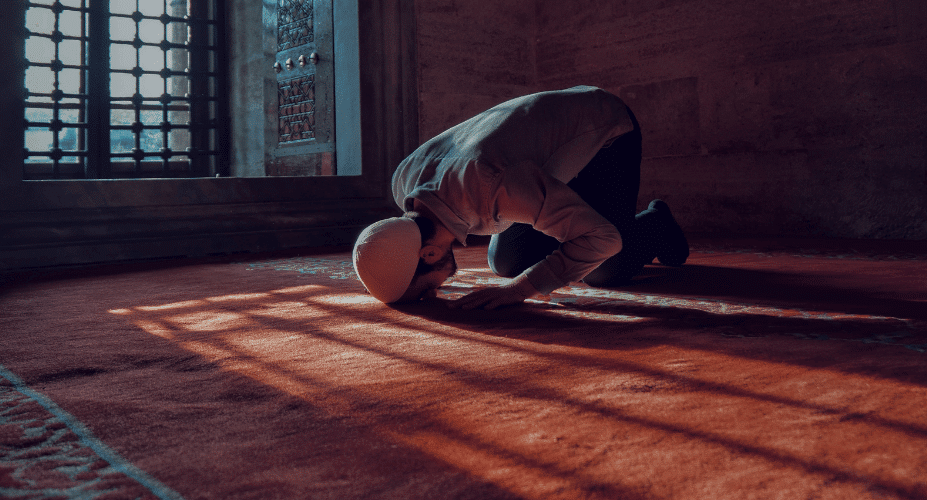
Man praying in a Mosque in Morocco
Traveling during Ramadan in Morocco
Visiting Morocco during Ramadan offers a unique cultural experience, but requires some additional awareness and planning. Ramadan is the ninth month of the Islamic calendar when Muslims fast from dawn until sunset.
Daily rhythms during Ramadan – During Ramadan, the pace of life changes significantly. Many businesses open later and close during the afternoon. After sunset, following the breaking of the fast (Iftar), cities come alive with a festive atmosphere that often continues late into the night. If you’re an early riser, you might notice people waking before dawn for the pre-fast meal (Suhoor).
Eating and drinking in public – While tourists aren’t expected to fast, eating, drinking or smoking in public during daylight hours is considered disrespectful. Many restaurants in tourist areas will remain open, but may be hidden behind screens or have reduced hours. Plan accordingly by carrying snacks for emergencies and eating discreetly if needed. After sunset, join in the celebrations and try special Ramadan treats like harira soup, chebakia (honey cookies), or dates – traditional foods to break the fast.
Increased hospitality – Ramadan is also a time of increased charity and hospitality. Don’t be surprised if you’re invited to join an Iftar meal – it’s a wonderful opportunity to experience Moroccan generosity firsthand. If invited, bringing a small gift like pastries is appreciated but not expected.
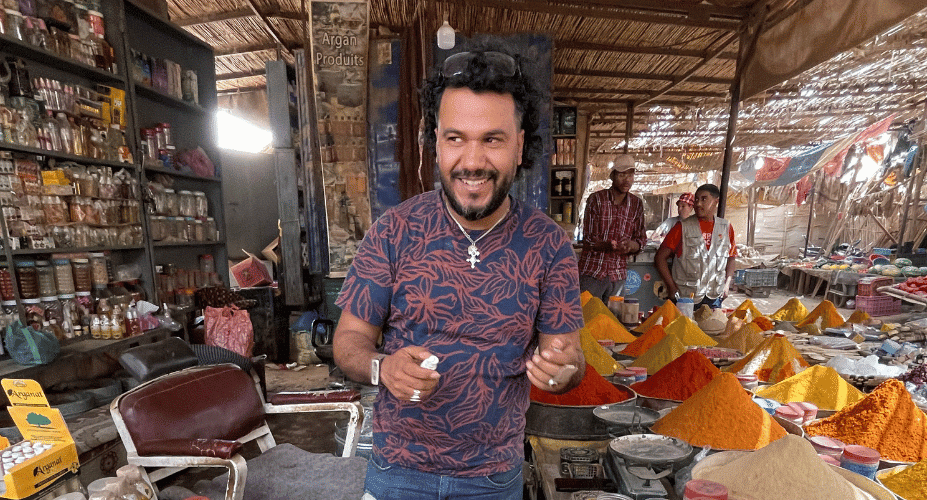
Local shop owner in Marrakech, Morocco
Understanding tipping culture in Morocco
Tipping (known locally as “baksheesh”) is an important part of Moroccan culture and economy. Knowing when and how much to tip will help you navigate social situations smoothly.
When to tip in Morocco – Tipping is expected for most services in Morocco. This includes restaurant servers, hotel staff, tour guides, drivers, spa attendants, and bathroom attendants. For luggage porters, 5-10 dirhams per bag is customary. For taxi drivers, rounding up the fare is sufficient unless they’ve provided exceptional service.
How much to tip – In restaurants, 7-10% of the bill is appreciated, though some tourist establishments may include a service charge (check your bill). For hotel housekeeping, leaving 20-30 dirhams per day is a good guideline. Tour guides and drivers who spend a full day with you would appreciate 100-150 dirhams per day, depending on group size and service quality.
Navigating requests for tips – Occasionally you might receive assistance you didn’t request, followed by an expectation of payment. This might include “guides” who show you to a location, or people who help with directions. Having small denominations ready allows you to decide when a small tip is appropriate versus when to politely decline with “La shukran” (No thank you).

Looking through a Souk in Marrakech, Morocco
Our 9 ultimate responsible travel tips for Morocco
1. Always greet with “Salaam Alaikum” – it means ‘peace be upon you’ and is a great way to start a warm and friendly meeting with any locals.
2. Barter respectfully – You’ve got to haggle in the souks, but make sure you’re also being friendly and considerate of their businesses.
3. Carry a shawl – A shawl is the perfect, versatile clothing to take with you, it can cover your face from sand and your shoulders too!
4. Leaving no trace in nature and cultural sites – Respect the environment and take with you any litter you create while out and about.
5. Spend locally – Be sure, when buying souvenirs, to buy them off local and independent stores to support the local communities.
6. Travel in the shoulder seasons – it’s always a good idea to travel out of peak season, to check when that is, see our Morocco page.
7. Ask before taking photos – It’s always best to check before snapping pictures of people, especially in rural areas or traditional villages.
8. Be mindful during prayer times – If you hear the call to prayer or see people preparing to pray, give them space and avoid loud noise or interrupting.
9. Take your time – Things in Morocco can run on their own rhythm. Be patient with service and transport, it’s all part of the experience.
Hopefully this advice has put your mind at ease and made you realise that travelling through Morocco is as easy as it is enriching and exciting. Booking your holiday with Not in the Guidebooks will make your whole experience that much easy. With our local guides to show you around and our carefully curated itineraries to ensure you get exactly what you want out of Morocco, now is the perfect time to book. So, browse our range of incredible products today!
 24/06/2025
  Sustainability